
Annalise Patterson, RD
Registered Dietitian | Registered Nutritionist
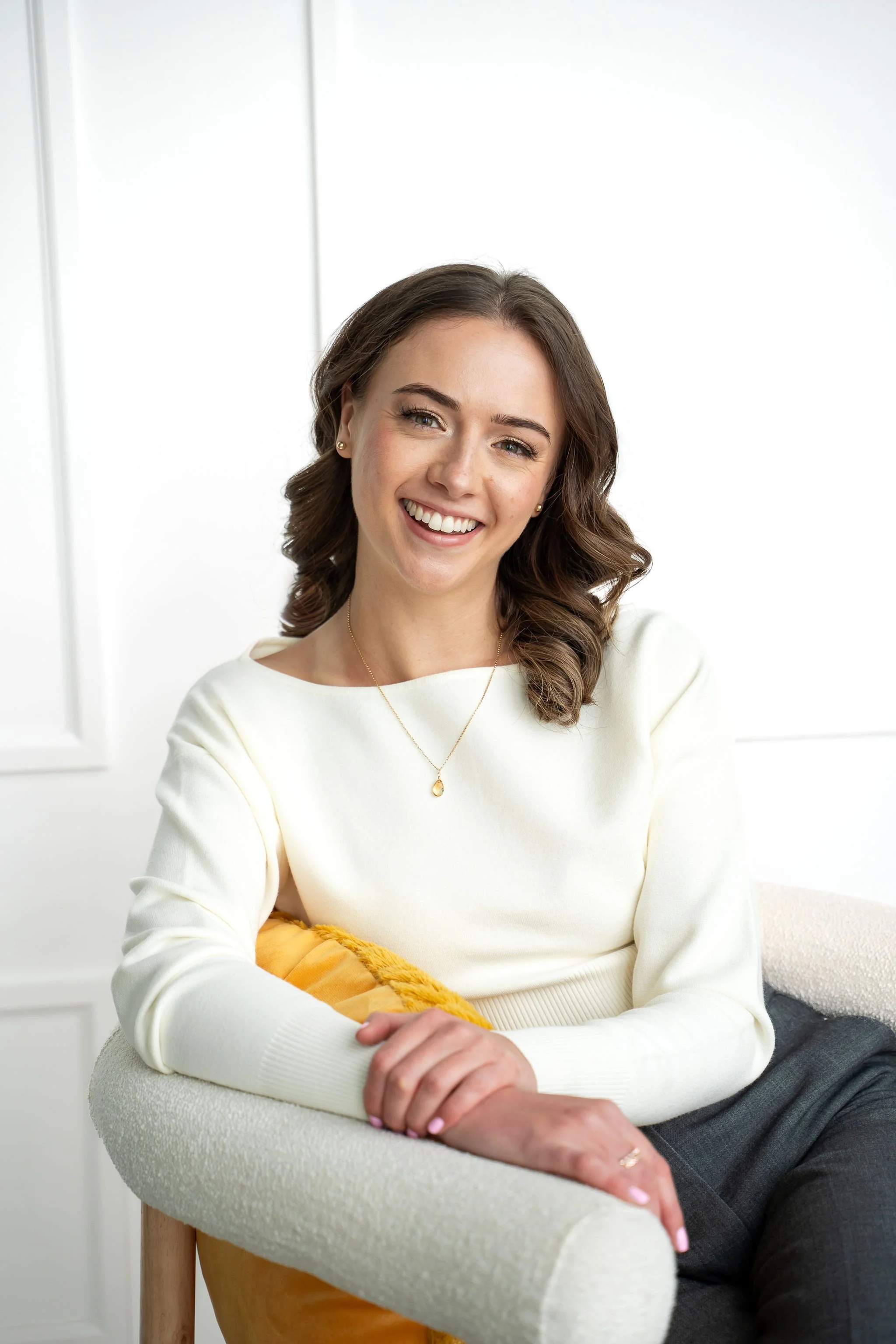
Hi, I’m Annalise, a Registered Dietitian with a passion for helping adolescents and adults to build peaceful, sustainable relationships with food and their bodies.
And if you’ve ever felt like that’s easier said than done, you’re exactly who I created this space for.
My why runs deep. At three years old, I became severely ill and malnourished after a family vacation. My parents spent nearly a year searching for answers before being diagnosed with Celiac Disease. Growing up meant birthday parties laced with worry, sleepovers that felt complicated, and the quiet exhaustion of always being the one with the “different” food. I know that invisible weight firsthand and how these experiences shape everything.
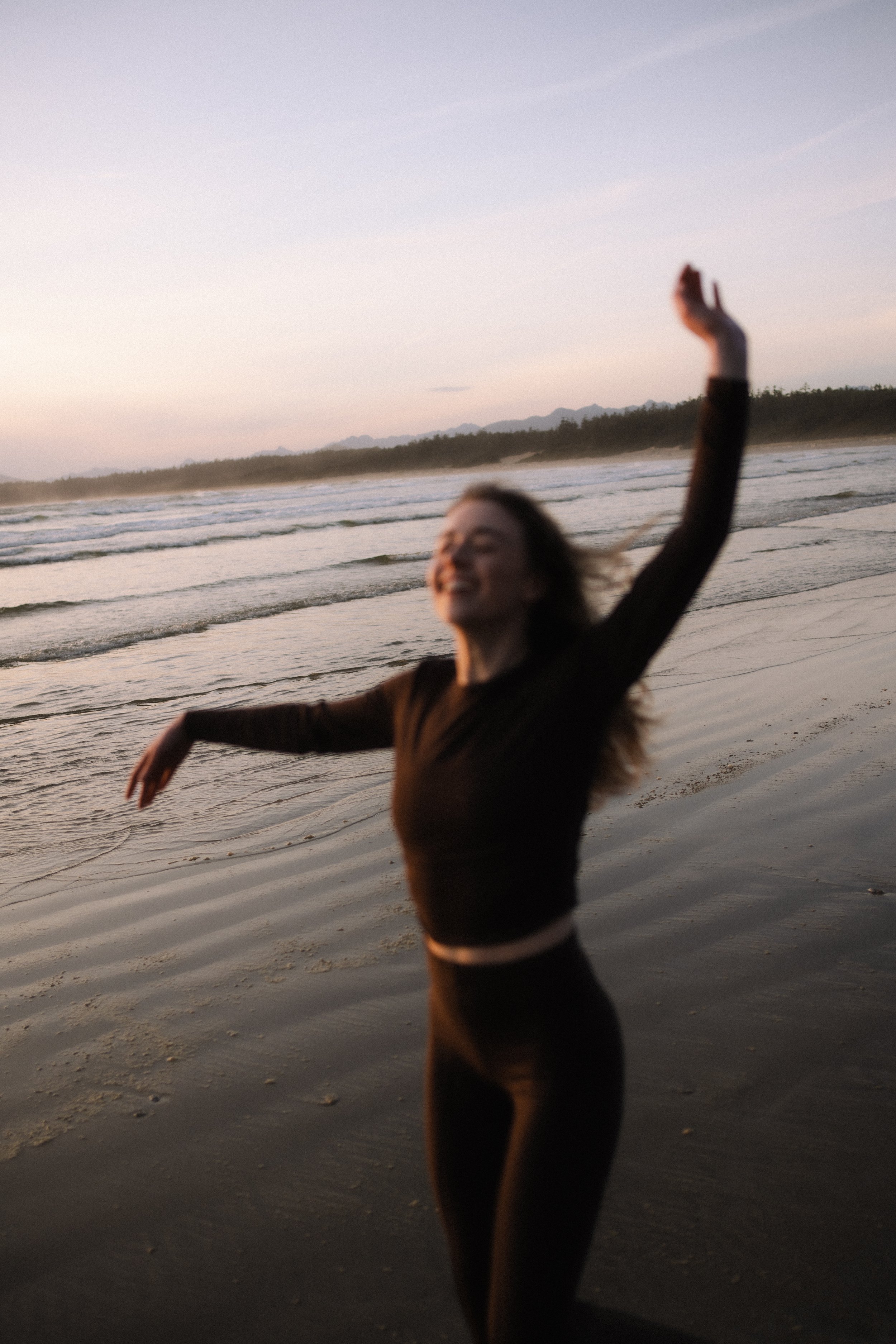
I also trained in professional ballet, which gave me an intimate understanding of how body image pressure, performance culture, and food can become so deeply tangled. My own healing journey led me to somatic and holistic approaches, and eventually to Yoga Teacher Training. I’ve learned that nourishment is so much more than what’s on your plate.
Clinically, I’ve worked across hospital and community settings supporting children and families through complex medical and mental health conditions. I’ve sat on both sides of the healthcare table as practitioner and as patient, and I know how easy it is to leave appointments feeling rushed, unheard, and alone.
You deserve better than that. We all do.
Replenish exists to close that gap. Where evidence-based nutrition meets whole-person care of the body, mind, and spirit.
A place where you are truly seen.
If any part of this resonates, I’d love to connect.
-
I’m deeply curious and genuinely interested in continuous learning!
University of Alberta BSc in Nutrition and Food Sciences with a Specialization in Dietetics
Registered Dietitian in good standing with the College of Dietitians of Alberta
Clinical experience in hospital and outpatient settings, supporting adults, adolescents, and infants through complex medical and mental health conditions
Completed Navigating Body Image Conversations: A Workshop for Dietitians
Obtained specialized training in applying Dialectical Behaviour Therapy (DBT) skills in the treatment of eating disorders
300 hour Embodied Leadership and Yoga Teaching Certification
-
I understand that nutrition is powerful but eating is never just about food. Cultural expectations, social influences, and our food environments all play a role in how we eat and relate to food.
I approach our work together with compassion, curiosity, and a trauma-informed lens, recognizing that lasting change begins with non-shaming support.
-
You’ll likely find me at a yoga or pilates class, hiking throughout the summer, or discovering new restaurants with friends and family.
My love for food didn’t begin when I became a dietitian. It has been part of me for as long as I can remember.
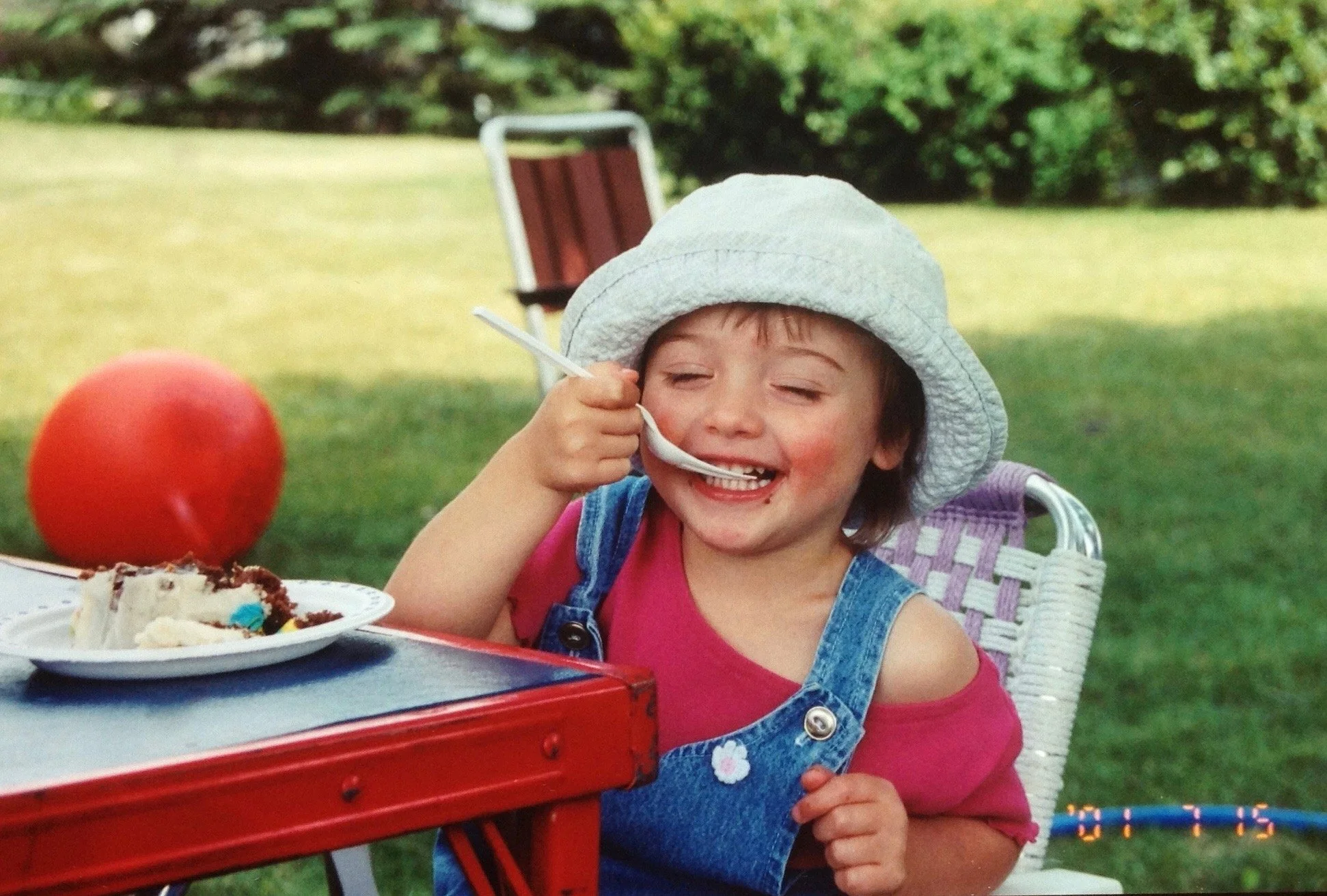
As a kid, I could spend hours playing kitchen. One of my favourite toys, besides my Polly Pocket Cruise Ship, was a McDonald’s Drive-Thru play set that I won in a raffle at my brother’s hockey tournament. I still remember my mom handing me two raffle tickets and telling me I could put them toward any draw I wanted.
The moment I saw that play set, my decision was made. I dropped both tickets into the box without hesitation.
I can still picture myself crouching down in front of it, imagining all the ways I would play with it if I won. Then, the following Monday, I came home from school and my mom told me I had won and that we could go pick it up.
I was absolutely thrilled.
It had everything: a fryer that made pretend fries, a milkshake machine with realistic blender sounds, a drive-thru window with buttons to press, and all the little accessories that made me feel like I was running my very own restaurant. I spent countless hours taking orders, serving meals, and creating imaginary customers.
And it didn’t stop there. I would make my own menus, invent “healthy smoothies” and special recipes, write prices beside each item, and proudly pretend I owned my own little café.
Looking back now, it’s funny how many of the things I loved then — food, creativity, helping people, and even running a business — have found their way into my life today.
My WhySome of my favourite childhood memories also happened in my grandma’s kitchen.
After I was diagnosed with celiac disease, she lovingly experimented with gluten-free flours and recreated many of her classic recipes so I could enjoy them too. Her apple pie crust and warm gluten-free buns are still some of the best I’ve ever had.
When I was diagnosed with celiac disease nearly 24 years ago, the world looked very different. Most people had never even heard of it. Gluten-free wasn’t on restaurant menus, and the now-familiar gluten-free symbols were rarely found on food labels. There was one gluten-free bread available at a specialty store, tucked away in the freezer, and it crumbled apart before you could even make a sandwich.
I have a twin brother, and people would often ask if he had celiac disease too. While I’m incredibly relieved that he doesn’t, being the only person in my immediate family with different dietary needs often felt isolating.
School birthdays, pizza parties, sleepovers, and family gatherings became complicated.
I brought my own food. I worried about standing out or being misunderstood. I often carried an invisible guilt that I was inconveniencing others.
There was also the unspoken social and cultural expectation that when someone prepares food for you, you eat it. That refusing or asking questions about how it was prepared is rude, difficult, or too much. But for me, eating without asking wasn’t just uncomfortable. It came with the very real risk of getting sick.
More often than not, it felt easier to miss out than to navigate the tension, explain myself again, and sit with the discomfort of feeling different in social spaces.
And yet, alongside those moments, I have also experienced the incredible healing power of food and the connection it is meant to bring.
Today, I know the joy of sitting down at a dedicated gluten-free restaurant and ordering anything on the menu without fear. I have experienced friends and family who ask where I feel safest eating, surprise me with gluten-free desserts from dedicated bakeries, and go out of their way to make sure the food they prepare for me has not been cross-contaminated so I can be included.
Celiac disease is an autoimmune disease, and the only treatment is a strict lifelong gluten-free diet. There are no medications, no “cheat” days, and no outgrowing it. And because symptoms look different for everyone, it is often misunderstood and can take years to diagnose.
What makes celiac disease challenging isn’t simply not being able to eat gluten. It is the constant vigilance required to prevent cross-contamination. The quiet exhaustion of always planning ahead. The grief of missing out on certain foods, traditions, and moments of ease. The reality of having a different relationship with food than the people around you.
To offer health coaching rooted in a whole-human approach, one that supports individuals in healing their relationship with food, their bodies, and themselves.
A coaching relationship where you feel deeply understood, supported, and never judged.
Where your unique lived experience matters most.
Where together we can cultivate new connections and trust so food can become less fearful, no longer isolating, and more nourishing.
And where safety and joy can be rebuilt from the inside
It’s why I created Replenish.